Mumbai: The broom is out. To pull dust off Mumbai's roads, the state wants vacuum cleaning machines, sprinklers and a hard rule that every truck carrying construction debris must travel fully covered.
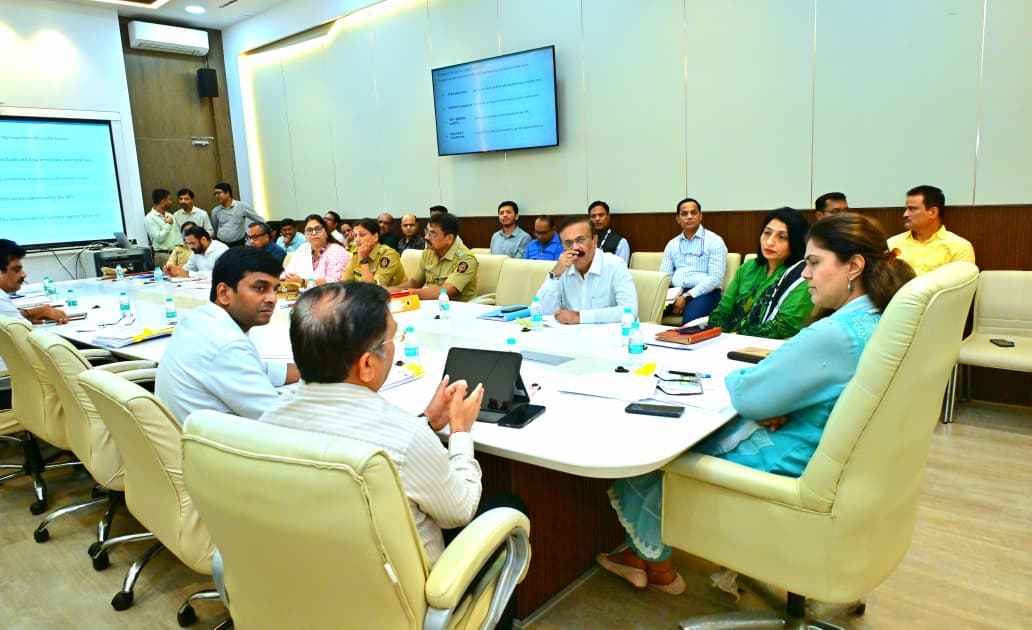
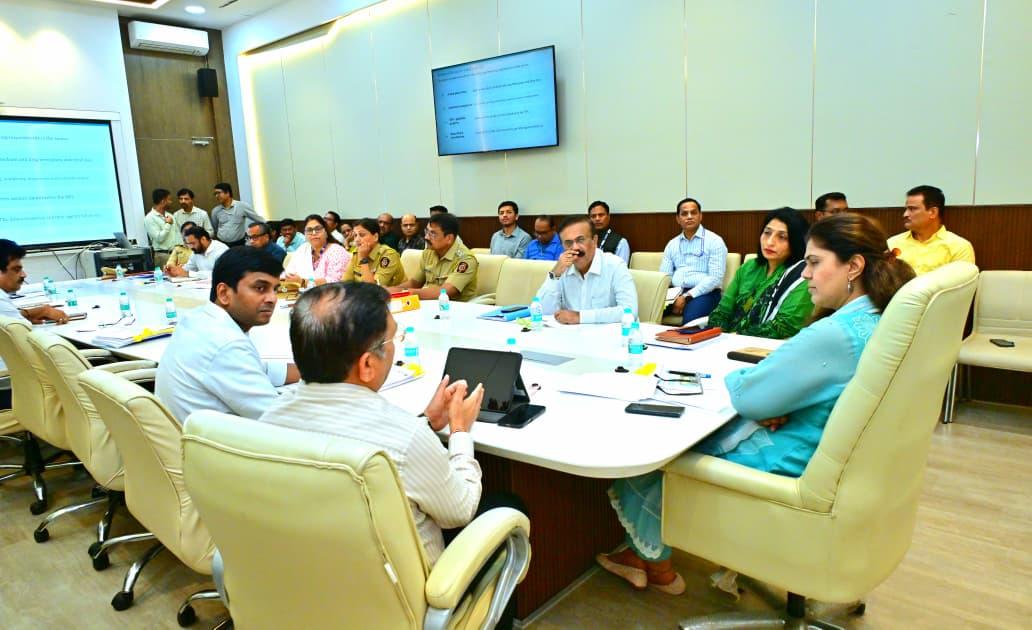
Environment and Climate Change Minister Pankaja Munde announced the measures after chairing a meeting on air pollution in Mumbai and its surroundings. They will run as a single Clean Air Action Programme across the Mumbai Metropolitan Region, where construction and redevelopment are running at full tilt.
Road dust, Munde said, is the single biggest contributor to the region's pollution. Sweeping just pushes dust to one side of the road, where traffic throws it back into the air. Municipal corporations must therefore buy vacuum cleaning machines, and consider using treated sewage water for sprinkler sprays instead of fresh water. She also asked officials to study whether dust control is possible in the open grounds of schools and colleges.
The debris problem is the sharper one. Trucks ferrying construction material and rubble must be fully covered. Traffic police have been told not to simply fine violators and wave them on, but to hold the vehicle until it complies.
Where to dump the rubble is a problem in itself. Munde said several municipal bodies are struggling for space. Mira-Bhayandar has an acute shortage, Navi Mumbai is battling dust from construction around the airport, industrial redevelopment and highway traffic, and Kalyan-Dombivli has seen debris moved at night and dumped in mangrove areas. She wants Mumbai, Thane and the neighbouring bodies to look at sharing available land, and to process rubble and reuse it in construction.
The guidelines for this will be drafted in the next 15 to 20 days. Munde said the government will hold separate meetings with the Panvel, Kalyan and Mumbai municipal corporations, along with other local bodies, to hear their specific problems.
On industry, the Maharashtra Pollution Control Board has been told to inspect more often, and then verify that norms are actually being followed. Repeat offenders face a tough response — but the aim is not to shut every unit, Munde said, only to force the necessary upgrades. Older machinery and processes in some industrial belts are adding to pollution, and those areas need fixes tailored to local conditions.
The meeting also reviewed vehicle emissions, dust kicked up during transport and the removal of abandoned vehicles lying on roadsides, which needs coordination between the regional transport office and the police. Electric vehicles, electric buses for public transport and the proper use of funds sanctioned under the National Clean Air Programme came up too.
MPCB member secretary Rahul Rekhawar made a presentation on the board's measures. Environment secretary Jayshree Bhoj told all departments to enforce the board's directives strictly and file reports in the prescribed format.
The meeting was attended by Bhoj, Rekhawar, Transport Commissioner Rajesh Narvekar, BMC Additional Commissioner Avinash Dhakane and Panvel Municipal Commissioner Mangesh Chitale. Commissioners of all municipal corporations in the MMR joined over video conferencing.