Tankers are the last resort, and the plan to avoid them is due first. Maharashtra has given Nagpur, Amravati and Konkan divisions four days — until Sunday, 25 October — to file village-wise, evidence-based plans for every stage of a possible water shortage, water supply and sanitation minister Gulabrao Patil has ordered.
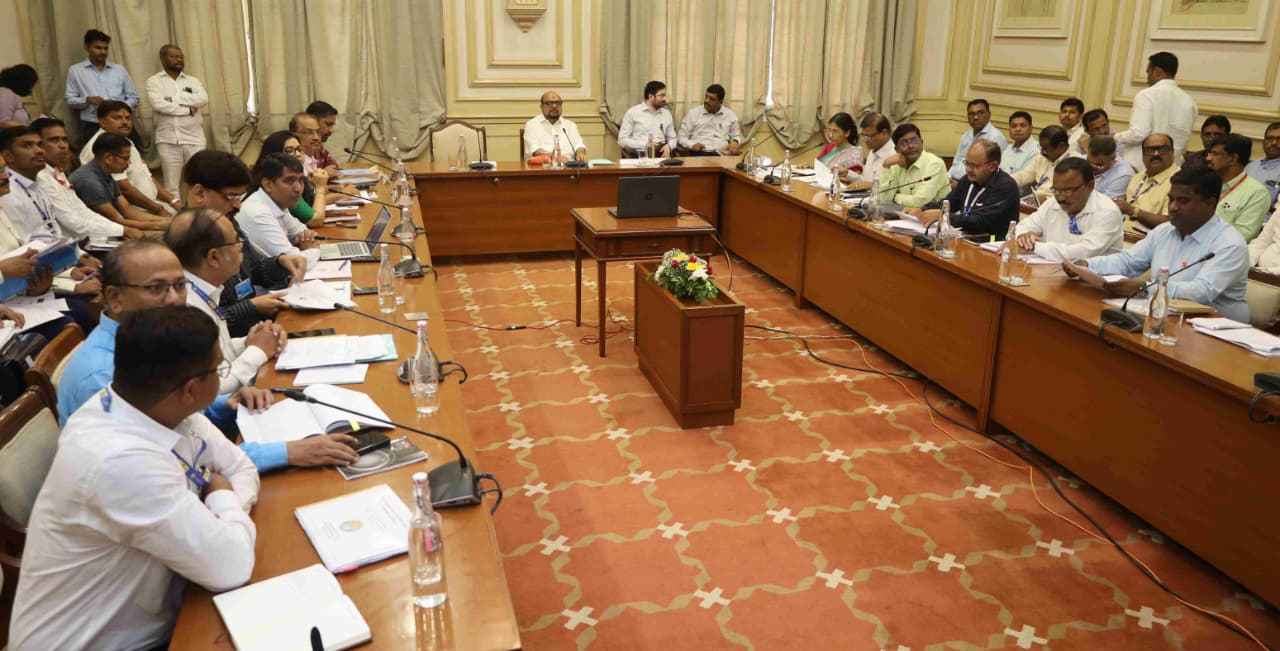
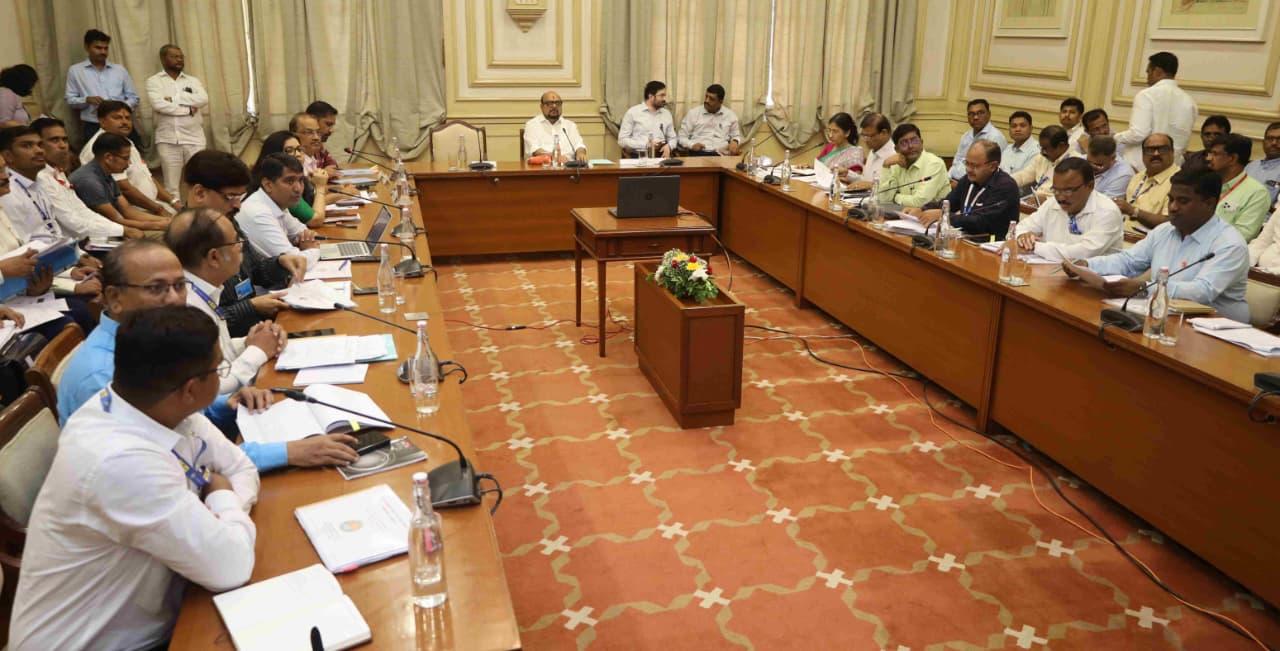
At a review meeting he chaired at Sahyadri Guest House in Mumbai, the three divisions' water schemes, groundwater levels and the months ahead came under the scanner. There is no serious scarcity right now, the meeting was told, but the administration has been asked to get ready early. Plans must be built after talking to officials, public representatives, sarpanches and gram panchayats, and after on-ground inspection, Patil said.
Under the Jal Jeevan Mission, schemes that are 75% to 99% done are to be finished and switched on first. Pending work on schemes in their final stage — pipelines, pumps, power connections, transformers — must be closed fast. For schemes past 75%, package details have to be completed and certified so that fund release does not stall, he said.
Villages that could end up on tankers will get a separate water-source strengthening plan. Two per cent of District Planning Committee funds are to be used, on priority, for that. The list is concrete: well recharge, farm ponds, cement check dams, cement plugs, continuous contour trenches, and repairs to old bandharas. If needed, district planning, mineral and CSR funds can be tapped too.
Complaints matter. If a water-scarcity complaint comes in, or a news report appears, the concerned officials must visit the village at once and act, Patil said. Before any tanker rolls, wells must be cleaned and disinfected, local water sources revived, supply planned properly and water used sparingly.
Completed schemes that have passed testing need a fixed deadline for handover to the zilla parishad or gram panchayat. If local bodies drag their feet, the government's policy will decide the next step. Running the schemes, paying the power bills and maintaining them is the zilla parishads' and gram panchayats' job. On power connections and transformers, officials have been told to coordinate with district collectors and zilla parishad CEOs.
The meeting was attended by Jal Jeevan Authority officials, divisional commissioners, district collectors, zilla parishad CEOs, executive engineers, Groundwater Survey and Development Agency officers and water supply department officials from all three divisions.