#rupee

India's forex reserves fall $18.3 bn, post biggest weekly decline on record
Foreign exchange reserves have fallen for three straight weeks, losing about $38.2 billion, as the RBI intervenes to support the rupee amid higher crude oil prices

The 13.1% depreciation over the past one-and-a-half years appears to be a temporary phenomenon, says RBI DG
The Reserve Bank of India (RBI) Deputy Governor Poonam Gupta on Wednesday said that there is a fair case for the rupee to not just stabilise but even appreciate from current levels, as the currency's 13.1 per cent depreciation over the past one-and-a-half yea…

RBI likely intervenes to shield rupee from oil jump, traders say
The rupee appeared on track to open weaker around 95.35-95.40 per dollar, but central bank intervention right around the time the local spot market opened at 9:00 am IST helped shore up the currency

IT rally, rupee surge fail to lift D-Street as expiry-day blues snap four-day winning streak
Broader markets underperformed, while investors remained cautious amid weak global cues and looked ahead to TCS results, the FOMC meeting minutes and key US economic data for direction

Tax cut pulls global bond funds to India, backing rupee
Overseas flows into index-eligible bonds have increased by ₹32,630 crore ($3.5 billion) since the June 5 reforms, according to latest available Clearing Corp of India data

Rupee rises 20 paise to 94.20 against US dollar in early trade
The rupee strengthened by 20 paise to 94.20 against the US dollar in early trade on Friday, fueled by optimism surrounding India-US trade negotiations. Positive foreign inflows and supportive oil prices contributed to the rupee's upward momentum. Officials in…

Rupee rises for fifth day , rallies to 6 - week high

Rupee’s oil relief capped by RBI's FX book, interest payment hedges, bankers say
RBI's expanding FX forward book and interest payment hedges are likely to limit the rupee's appreciation despite lower oil prices.

Rupee trades in narrow range against US dollar in early trade
Rupee trades narrowly against the dollar at 95.70, amid rising equity outflows and concerns over the West Asia crisis.

Rupee under pressure from outflows, Asia weakness; report on tax relief may support
The Indian rupee faces pressure from equity outflows and regional weakness, but potential tax relief may provide support.

India - Myanmar Trade Boost via Rupee - Kyat Mechanism

RBI Likely To Hold Rates amid Rising Inflation Risks , SBI Warns of Reckles Rupee Depreciation

SBI Research calls for stronger RBI intervention as rupee slide outpaces fundamentals

Finance ministry flags inflation risks ahead of RBI policy as fuel prices, monsoon concerns mount
India faces rising inflation risks. Fuel prices are up, the rupee is weak, and a poor monsoon looms. The Finance Ministry warns of renewed price pressures. This comes before the Reserve Bank of India's policy decision. Wholesale price increases are a concern.…

India may have found a new export tailwind
India's weakening rupee is boosting export competitiveness. This adjustment helps Indian goods and services become more affordable globally. However, sustained export growth hinges on strong international demand and stable domestic inflation. The government h…

India among most resilient economies , but crude oil and rupee pressures remain : Govt report

RBI efforts boost rupee usage, yet global adoption remains limited
Despite RBI's efforts to boost rupee usage in international trade, including Special Rupee Vostro Accounts, its adoption for invoicing and settlement saw only modest growth over the past two fiscal years. This highlights the significant ground India must cove…
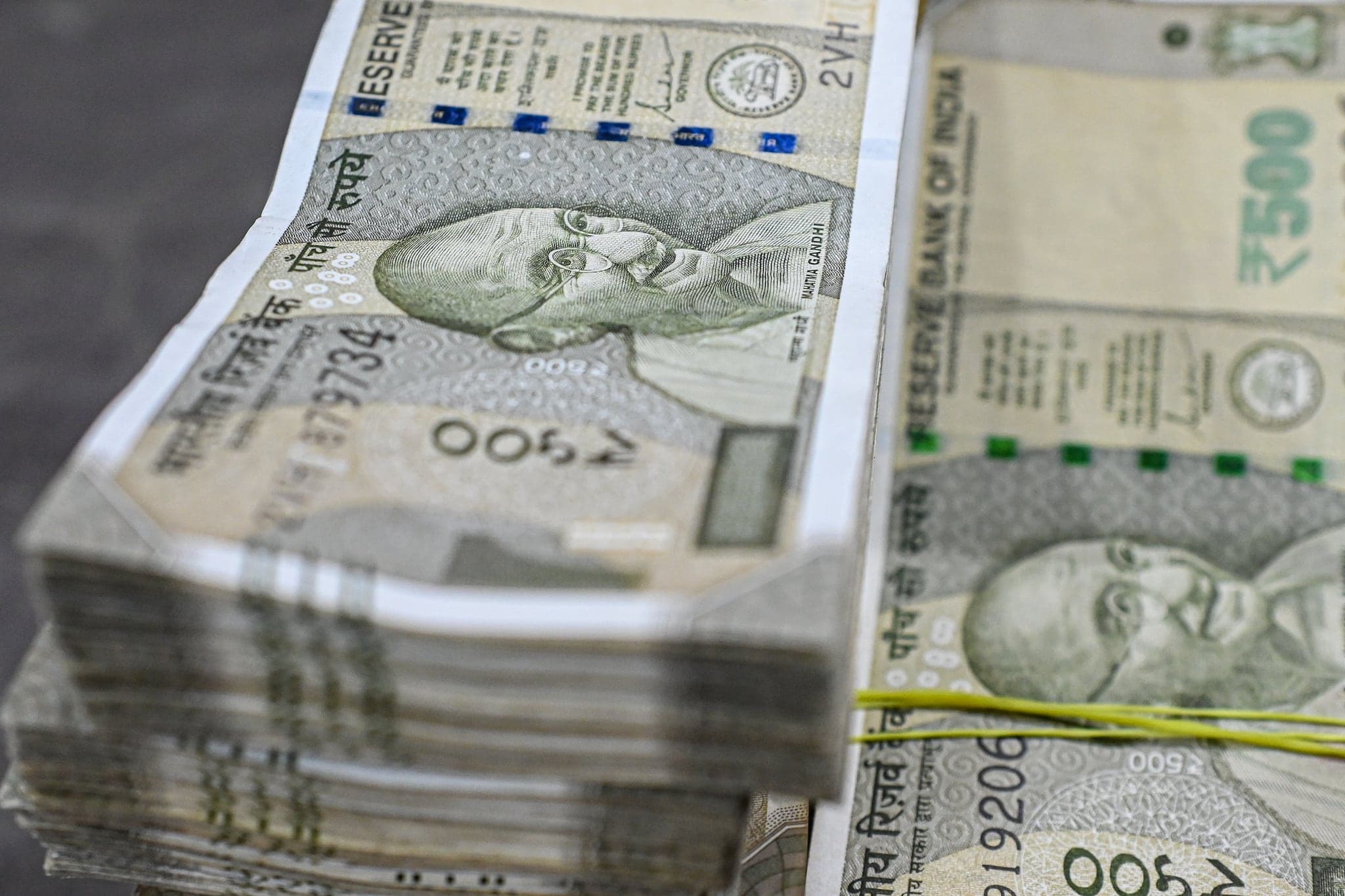
RBI likely intervened to shore up rupee , traders say

RBI to hold rates in June; majority now expect hike by year-end: Poll
The Reserve Bank of India is expected to hold its key interest rate steady in June. However, economists now foresee at least one rate hike by the end of the year. This shift is driven by concerns over elevated oil prices and a weakening rupee. Inflation remai…

RBI flags US-Iran war's impact on rupee, lists measures to manage forex
The Reserve Bank of India, in its annual report, said the rupee weakened nearly 10% in FY26 due to trade uncertainties, a wider deficit, the Middle East conflict and FII outflows. RBI intervened in forex markets and expanded measures such as SRVAs and local c…

RBI should use reserves to defend rupee , that what they were built for : Anish Tawakley

Reserve Bank's FY26 income gets Rs 1.69 lakh crore forex boost
The Reserve Bank of India saw a significant 52% surge in foreign exchange transaction gains, reaching 1.69 trillion rupees for the fiscal year ending March. This increase stems from selling dollars to protect the rupee. The central bank also reported substant…

RBI likely intervened to shore up rupee , traders say - The HinduBusinessLine

Rupee rises 5 paise to 95.53 against US dollar in early trade
At the interbank foreign exchange market, the rupee opened at 95.77 against the US dollar, then gained ground and touched 95.53 in early trade, up 5 paise from its previous close

Rupee rises 5 paise to 95.53 against US dollar in early trade
The Indian Rupee gained ground against the US Dollar today. This rise follows an agreement between the US and Iran to extend a ceasefire. Forex traders believe this will ensure continued trade through the Strait of Hormuz. Stable oil prices offer relief to …

India’s real macro dilemma: save the rupee or defend the stock market
Shankar Sharma argues that India’s forex reserves are overwhelmingly built on “rented capital”, SIP inflows are facilitating foreign exits, and the country may soon have to choose between protecting the rupee and protecting the stock market.
RBI likely intervened to shore up rupee, traders say
The Reserve Bank of India likely intervened in the foreign exchange market to shore up the rupee ahead of the local spot market open on Friday, five traders told Reuters.

"Digital Nomad Visa" creating huge demand for the rupee
It is clear that Sri Lanka's traditional economic model and export policies have failed. Since the nineteenth century, we have been exporting traditional goods such as tea, rubber, and coconut, with the apparel industry being added in the eighties.However, si…

DMart, Meesho, among 10 stocks that saw highest increase in HNI holding in Q4. Check list
Even as markets remained volatile amid persistent FII selling, elevated crude oil prices, geopolitical tensions surrounding the Iran conflict and continued pressure on the rupee against the U.S. dollar, high net-worth investors increased their exposure to sel…

IndiGo Q4 preview: Can India’s biggest airline weather fresh turbulence?
Higher fuel prices, Gulf airspace disruptions and a weak rupee are expected to pressure IndiGo’s earnings as investors assess how much strain the airline can absorb.