#persian-gulf
Persian Gulf Strait Authority says it processed 300+ transit requests since May
More than 300 non-Iranian vessels, mostly oil tankers, have submitted their information to secure a safe passage permit from the Persian Gulf Strait Authority (PGSA) since the entity began its operations in early May, the PGSA announced in a post on X on Tues…

Fertiliser stuck in Persian Gulf, govt plans to move it by road to port
India News: NEW DELHI: With 17 ships, carrying India-bound fertiliser, stranded in the Persian Gulf since conflict broke out in West Asia, govt is looking at an a.

LNG tanker exits Hormuz for India for first time since war began
The exit of an LNG tanker from the Strait of Hormuz marks a pivotal moment for India, signaling its first shipment from the Persian Gulf in light of the ongoing Iran conflict.

Iran War’s Shockwaves Haven’t Fully Arrived Just Yet. But They’re Coming.
This crisis underscores the risks involved in over-reliance on concentrated, geopolitically risky supply chains like those which originate in the Persian Gulf.
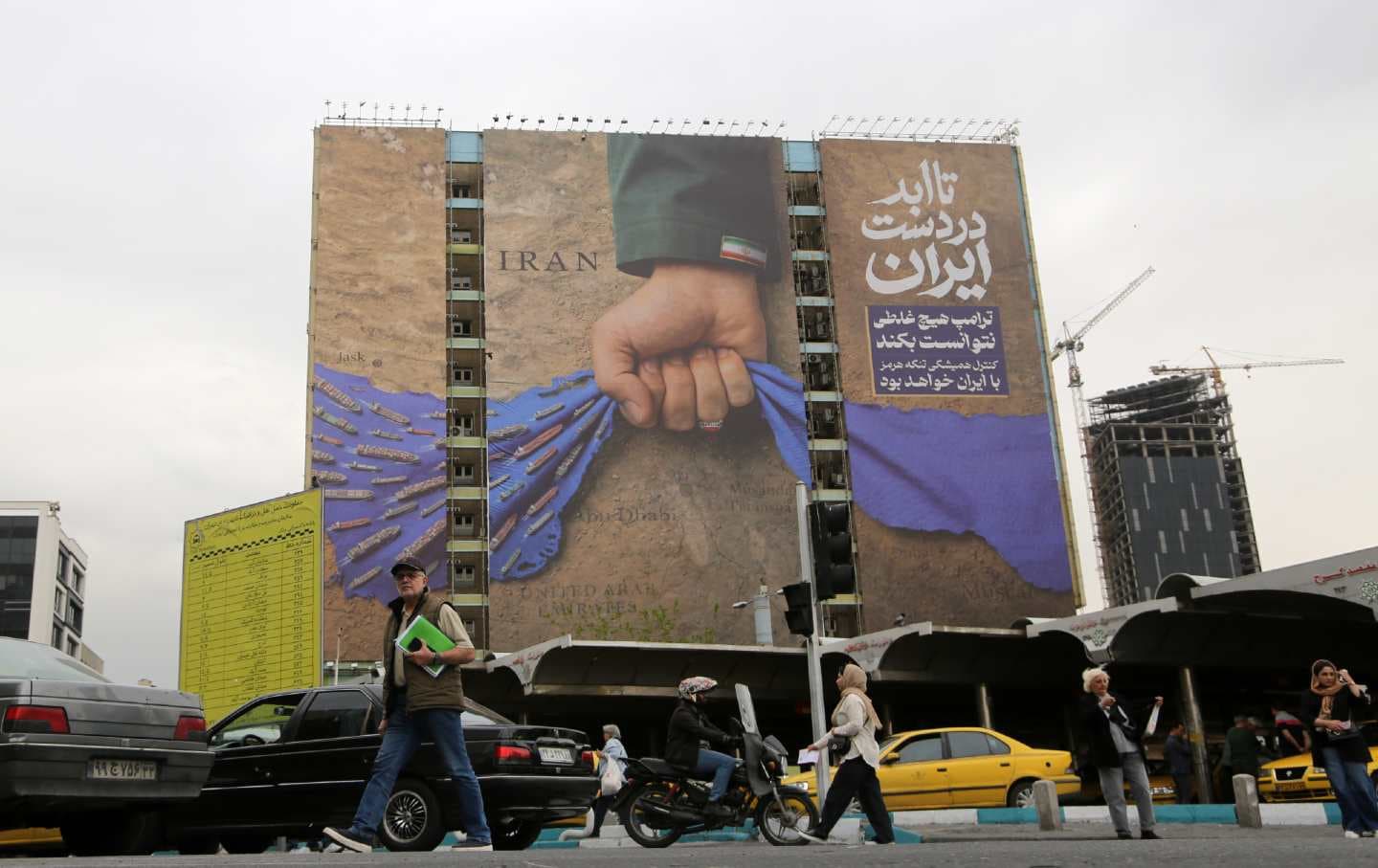
This Is Why the Hormuz Crisis Is Different From Other Oil Crises
Juan Cole Israel and the United States have destabilized the Persian Gulf and global oil and natural gas supplies for the foreseeable future. The post This Is Why the Hormuz Crisis Is Different From Other Oil Crises appeared first on The Nation.
'We are being attacked': Call from the Persian Gulf to a worried wife
As a peace deal between the US and Iran remains elusive, low-wage seafarers are left in limbo as they witness an unprecedented 21st-century battle.
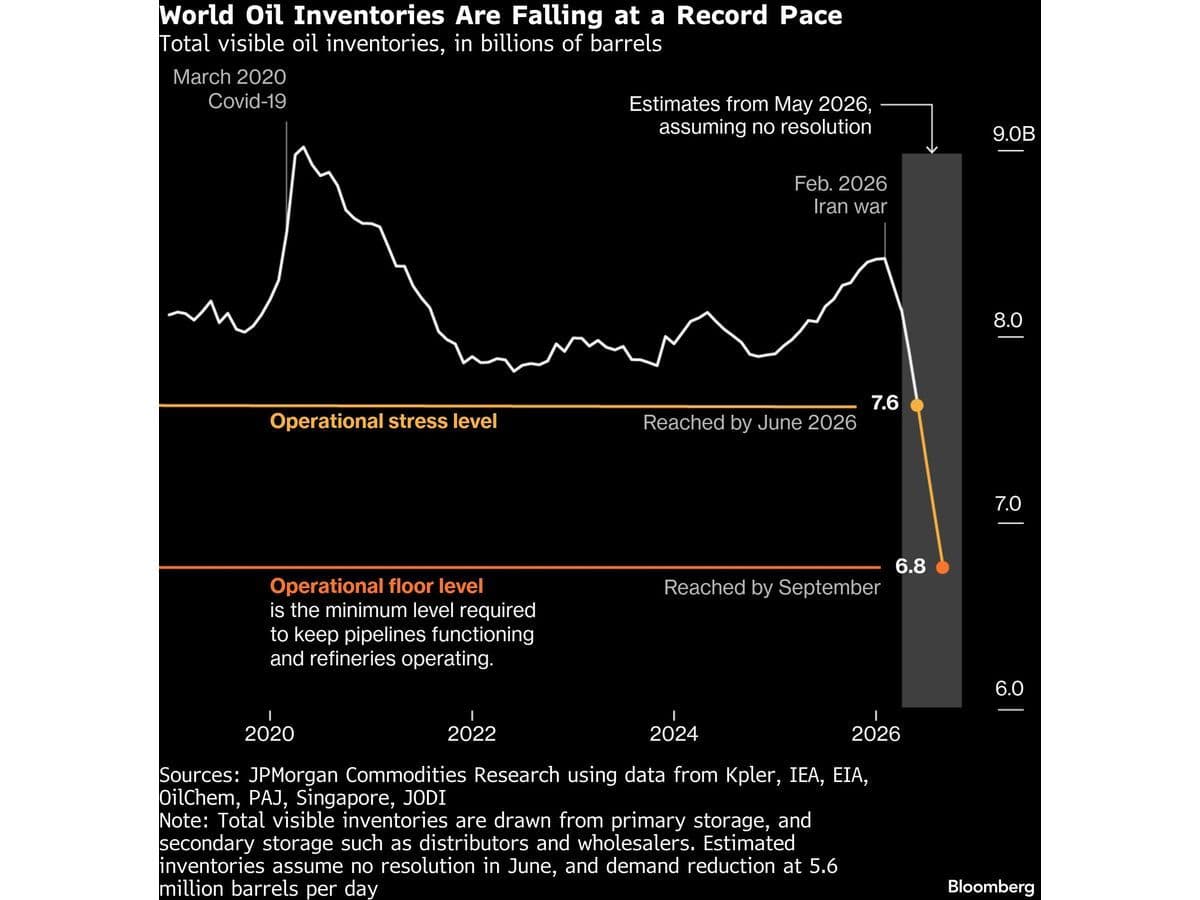
Iran War Is Draining World’s Oil Buffer at an Unprecedented Pace
The world has burned through oil inventories at a record speed as the Iran war throttles flows from the Persian Gulf, eating into the very buffer that protects against supply shocks.

UN sounds alarm over ‘humanitarian crisis’ as 20,000 seafarers stranded in Persian Gulf stalemate
Iranian ports pose war-zone risks, while visa restrictions and logistical hurdles along the Arab states lining the Gulf’s southern shores make it difficult for many sailors to leave their vessels
Jebel Ali collapse transforms Iran's logistical position
The halt of activity at Jebel Ali port in the United Arab Emirates due to heightened tensions in the Persian Gulf has forced Iran to accelerate a long-planned diversification of its trade routes.

Artificial Stupidity in the Persian Gulf
The planned central hub for American digital—and dollar— supremacy goes up in flames, but Silicon Valley and Washington refuse to learn anything.

Tired and worried, seafarers have been stranded in the Persian Gulf for weeks
Around 20,000 seafarers on hundreds of vessels are stuck in the Persian Gulf, unable to cross the Strait of Hormuz that remains effectively shut by Iran