#himalayas

Nepal Seeks Climate Compensation for August Flood as Experts Dispute CO2 Link
Nepal’s government has formally requested international climate compensation following the Aug. 26 Himalayan flood that killed more than 1,400 people and left thousands missing, according to officials. The request, which seeks $5 billion in disaster recovery …

'Nepal disaster highlights need for multi-hazard assessment of Himalayas'
The Himalayas face the threat of a cascading disaster, where a single high-altitude calamity can trigger avalanches, block rivers and unleash flash floods, rapidly magnifying destruction downstream -- a danger laid bare by Nepal's recent catastrophe, said a s…

Nepal disaster highlights need for multi-hazard assessment of Himalayas: Senior Geologist
Himalayan hazards cannot be assessed in isolation, he pointed out and stressed the need for combining satellite-based observations with field investigations and ground instrumentation.

Rock-ice avalanches: The silent Himalayan killer behind Nepal's deadly flood
Recent floods in Nepal's Rasuwa district highlight rock-ice avalanches. These events, which can trigger destructive downstream floods, are becoming more frequent. Scientists are investigating a recent rock-ice avalanche as the cause of the August 26 flood. Si…
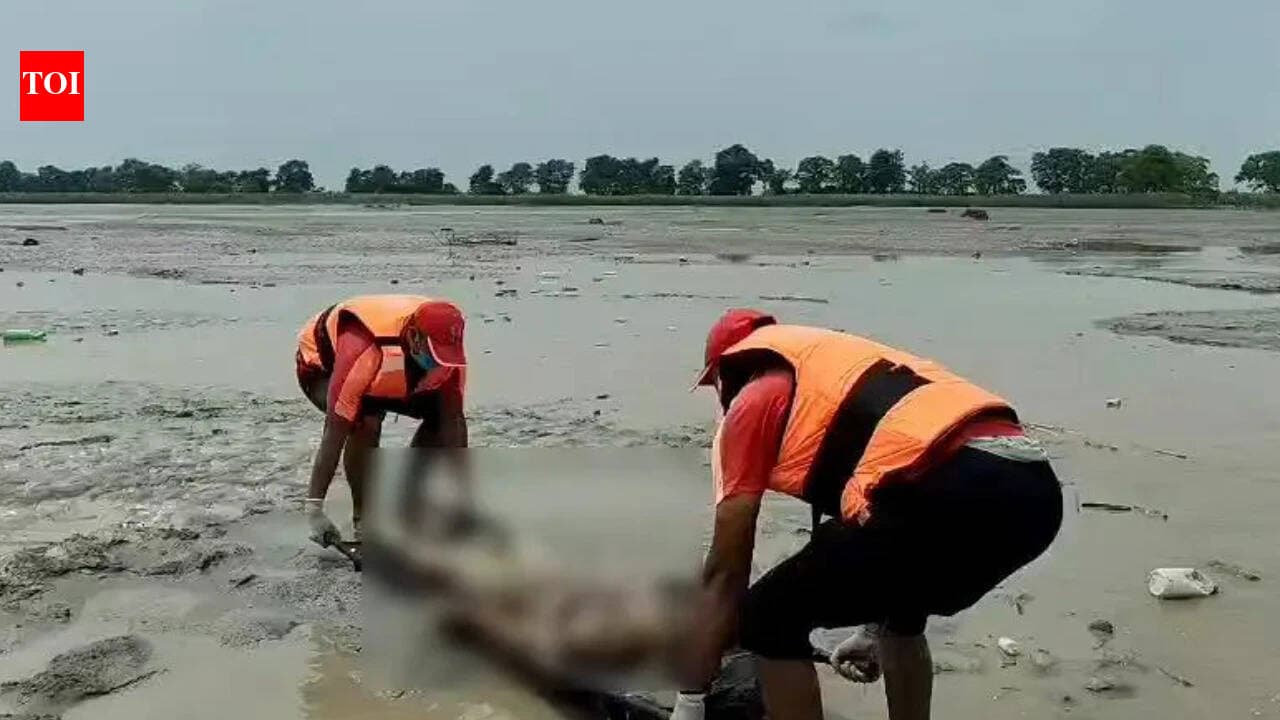
Nepal floods swept bodies 200km downstream, 3 found in UP
A significant collapse in the Himalayan region caused a seismic disturbance, leading to a violent flood surge that reached Rasuwagadhi at the Nepal-Tibet border within a mere seven minutes. Recovery efforts extended across multiple districts in both Nepal and…
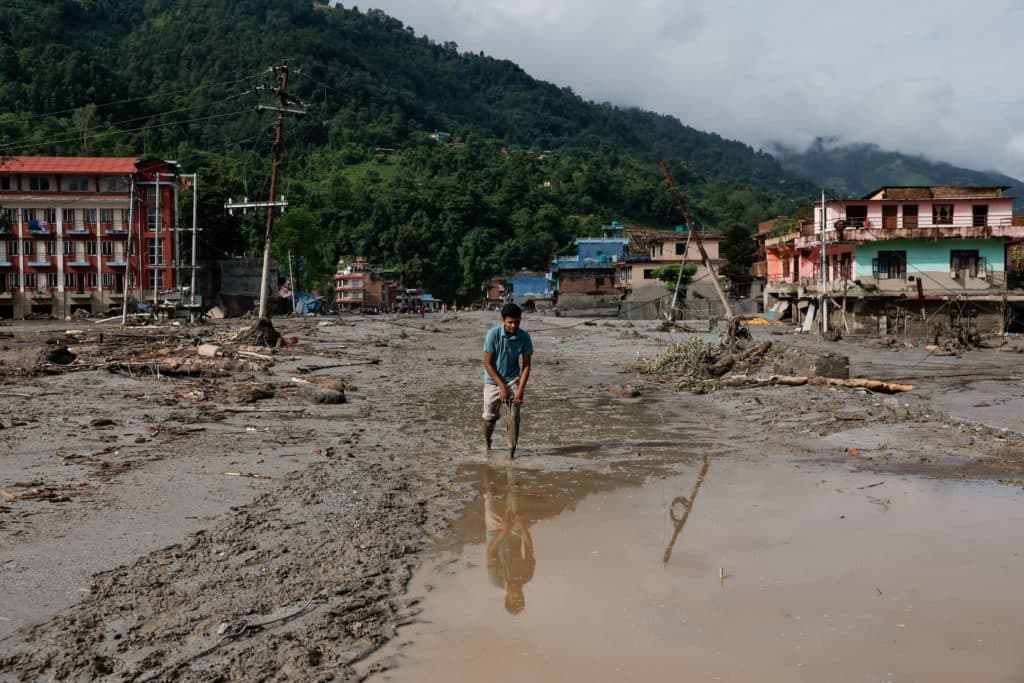
How melting glaciers contributed to the flooding disaster in the Himalayas
The scale of the disaster in the Himalayas is becoming clearer a day after catastrophic flooding tore through parts of Nepal and Tibet. Scientists believe the disaster was likely triggered by the collapse of a glacier, unleashing a torrent of water, mud and d…
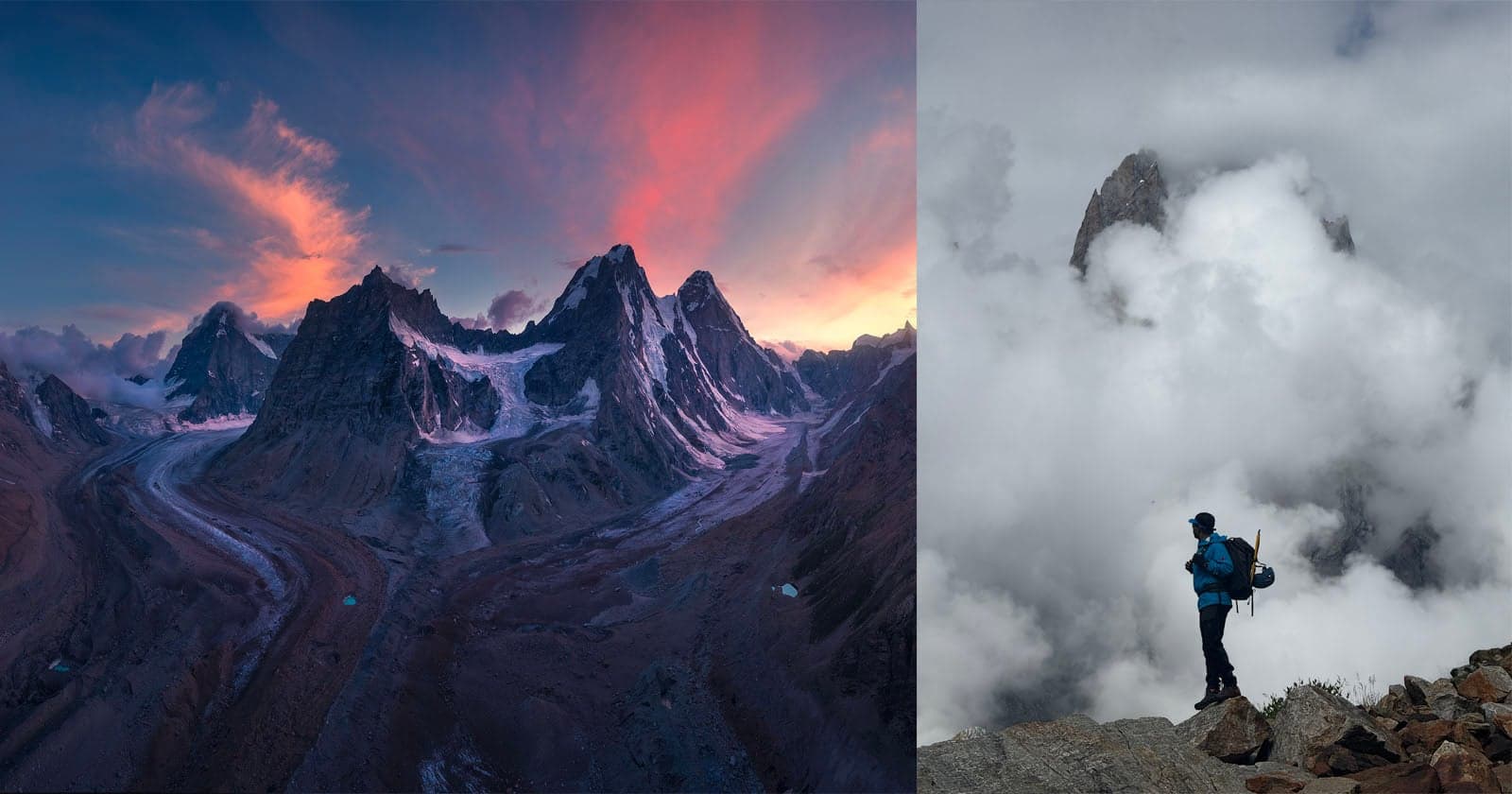
Photographer Travels to ‘Hidden’ Area of the Himalayas for Stunning Mountain Images
As globalization brought the population of the world together, it began to feel like a smaller place. Once exotic destinations like Japan or Bali are now teeming with tourists -- all hungry for a photo. Unexplored areas now feel like a relic of the past, but …

Nobody talks about why the Himalayas are still getting taller, and it isn’t erosion slowing down or new rock forming, it’s that India is still ramming into Asia at roughly the speed your fingernails grow
The Himalayas grow about as fast as your fingernails because a continent is still driving into another one, and the math behind that slow ramming is stranger than the mountains themselves. The post Nobody talks about why the Himalayas are still getting taller…

Sanjeevani Booti? Scientists find a 'lost' blueberries in Himalayas after nearly 200 years; locals say it boosts...
A Himalayan berry species, 'Vaccinium piliferum', thought lost for 188 years, has been rediscovered in Arunachal Pradesh. This endangered wild blueberry relative was found in a limited population, highlighting the region's hidden biodiversity and the urgent n…
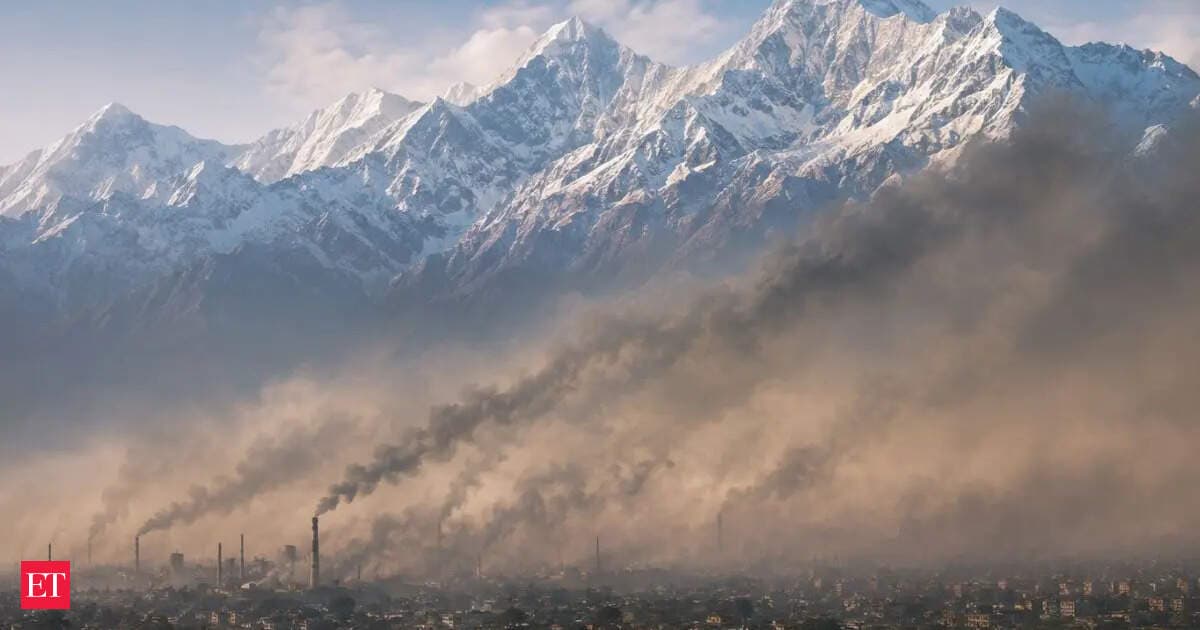
Love hills to escape pollution ? Study finds smoke from plains is now reaching the Himalayas
Love hills to escape pollution? Study finds smoke from plains is now reaching the Himalayas
Air pollution across eastern India and the Indo-Gangetic Plain has worsened sharply over two decades. Bihar and West Bengal are now highly polluted regions. Pollution is spreading from the plains into the Himalayas. India's clean air efforts focus on cities b…

PM pollution increased by 20% in Indo-Gangetic Plain, Himalayan region, North-East: Study
Pollution levels in North India and the Himalayas have risen sharply. Particulate matter pollution increased over 20 percent in the Indo-Gangetic Plain, Himalayas, and North-East India between 2010 and 2019. Biomass burning is the primary driver of this pollu…

IMD warns of above-normal heatwave days in May
Foothills of the Himalayas, east coast states, Gujarat and Maharashtra Foothills likely to be most affected