#edible-oil

Retail prices of cooking oils may fall after duty cut: Industry body IVPA
Edible oil industry body IVPA expects retail prices of cooking oils to come down following the government's decision to cut import duties on soyabean, palm and sunflower oils. India meets around 60 per cent of its total edible oil requirements through imports…

Oiling point : How India went from Dhara to edible oil import dependence

Oiling point: How India went from Dhara to edible oil import dependence
India is the world’s biggest importer of edible oil, shelling out ₹1.7 trillion for the greasy stuff in FY26. But three decades ago, it had nearly become self-sufficient in producing cooking oils. We trace how the country lost that hard-won atmanirnharta—and…

Beyond area expansion: Why oil palm productivity will decide India’s edible oil future
The future of oil palm in India will ultimately belong not to those who expand the fastest — but to those who build productivity, trust and sustainability patiently over time

Edible oil industry body calls for boosting output, adopting modern farming amid West Asia crisis
India's edible oil imports are a significant economic concern. The Solvent Extractors' Association of India urges increased domestic oilseed production and smarter consumption. These steps are vital for national economic and strategic resilience. The indust…

India’s edible oil imports rise 3% in FY26 on Nepal duty-free surge: SEA
India's edible oil imports rose 3 per cent to 166.51 lakh tonnes in the 2025-26 fiscal year, driven largely by a sharp jump in duty-free imports from Nepal, industry body Solvent Extractors' Association of India (SEA) said on Tuesday.

India's edible oil imports rise 3% in FY26 on Nepal duty-free surge, industry body says
India's edible oil imports increased by 3 per cent in the last fiscal year owing significant to a boost from duty-free shipments from Nepal. Nepal's edible oil exports to India more than doubled. India relies heavily on foreign supplies for edible oils.
India Weighing Edible Oil Import Duty Hike to Support Farmers
India is considering a request by the domestic vegetable oil industry to raise import duties, potentially increasing taxes on another major commodity just after a hike in gold tariffs.

IVPA welcomes Govt’s decision to increase MSP for oilseeds
A sustainable edible oil economy requires a balanced approach that protects farmer remuneration, says association chief Sudhakhar Desai
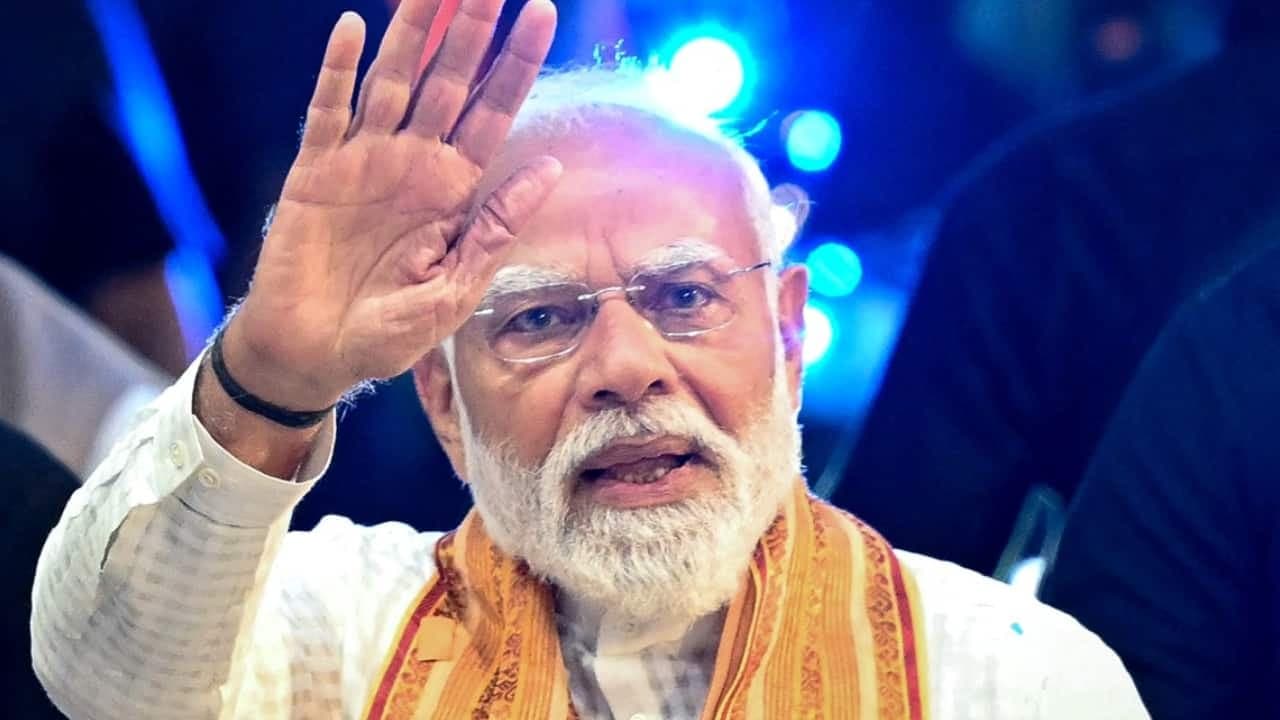
India could save $45 billion in forex by following Prime Minister Modi's advice
The estimate is based on relatively modest behavioural changes: a 10% reduction in crude oil, gold, and edible oil consumption; a 50% cut in fertiliser imports; and a complete stop to discretionary spending on foreign travel